The psychological toll of gambling understanding the hidden effects on the mind
The Illusion of Control
One of the primary psychological effects of gambling is the illusion of control. Gamblers often believe they can influence outcomes based on their skills or strategies. This belief can lead to compulsive gambling, as individuals convince themselves that they are just one big win away from breaking even. In the world of gaming, these perceptions can be further complicated by the allure of online casino real money, where possibilities seem endless. The mind plays a trick, leading individuals to overlook the randomness and luck involved in games of chance.

This illusion can be detrimental, resulting in a cycle of repeated gambling behavior despite ongoing losses. The desire to regain lost money can foster a dangerous mindset, where individuals risk increasingly larger amounts, thus amplifying their psychological distress and financial burden.
Anxiety and Depression
The relationship between gambling and mental health issues such as anxiety and depression is well-documented. Many individuals turn to gambling as a coping mechanism for stress or emotional pain. However, while it may provide temporary relief, it ultimately exacerbates underlying issues. The highs of winning can be followed by devastating lows, creating a rollercoaster of emotions that can lead to chronic anxiety and depression.
Moreover, as financial problems accumulate due to gambling, the individual may feel trapped, leading to a further decline in mental health. This cycle of gambling to escape problems often intensifies feelings of isolation and hopelessness, making recovery even more challenging.
Social Isolation and Relationship Strain
Gambling can lead to significant social isolation, as individuals may withdraw from friends and family to pursue gambling activities. This withdrawal can strain relationships, causing conflict and emotional pain for both the gambler and their loved ones. Loved ones may feel betrayed or hurt, leading to a breakdown in trust and support systems that are crucial for recovery.
Additionally, the stigma surrounding gambling addiction can prevent individuals from seeking help. They may fear judgment or misunderstanding from peers, further isolating themselves. As relationships suffer, the gambler may feel more compelled to engage in gambling as a form of escape, perpetuating the cycle of addiction.
The Role of Cognitive Dissonance
Cognitive dissonance plays a significant role in the psychological toll of gambling. Gamblers often experience a conflict between their knowledge of the odds and their persistent belief that they can win. This dissonance can lead to rationalizations for continued gambling, such as believing that past losses will eventually be compensated by future wins.
This mental struggle can create distress and confusion, as individuals grapple with the reality of their situation. This conflict can further deepen the addiction, causing individuals to invest more time and money into gambling, hoping to resolve their internal conflicts through a big win.
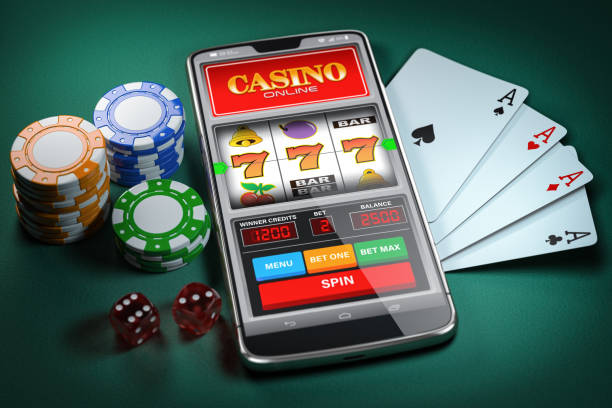
Understanding the Impact of Gambling on Mental Health
Understanding the psychological toll of gambling is crucial for both individuals and their loved ones. Recognizing the hidden effects on the mind can pave the way for more informed discussions and interventions. Educational resources and support systems can offer vital information, helping to demystify gambling addiction and its impact on mental health.
In a world where gambling is increasingly accessible, awareness of the psychological implications is essential. As society becomes more informed about these hidden effects, individuals can better navigate the complexities of gambling, enabling healthier choices and promoting overall mental well-being.